Yellowstone with Kids: A Complete Family Guide
Yellowstone with kids, planned by age: best months, how many days, where to stay, geysers and wildlife kids love, a sample itinerary, and key safety rules.
- Ages
- All ages
- Time
- 3–5 days
- Cost
- $$
- Where
- On the road
- Prep
- High
Yellowstone is great with kids of any age if you plan for long drives, base yourself in two different areas of the park, and treat geysers and wildlife viewing as the main event. Most park roads are open to cars only from about late April to early November, so June through September is the easiest window for families. Plan at least three full days, keep kids on boardwalks, and stay at least 25 yards from bison and elk and 100 yards from bears and wolves.
Trip planner card
Yellowstone National Park
Wyoming, Montana & Idaho, USA
- Best for families
- Jun–Sep
- Trip length
- 3–5 days
- Ideal ages
- 4+
- Budget
- $$ Moderate
- Fly into
- Bozeman (BZN), Jackson Hole (JAC), Cody (COD)
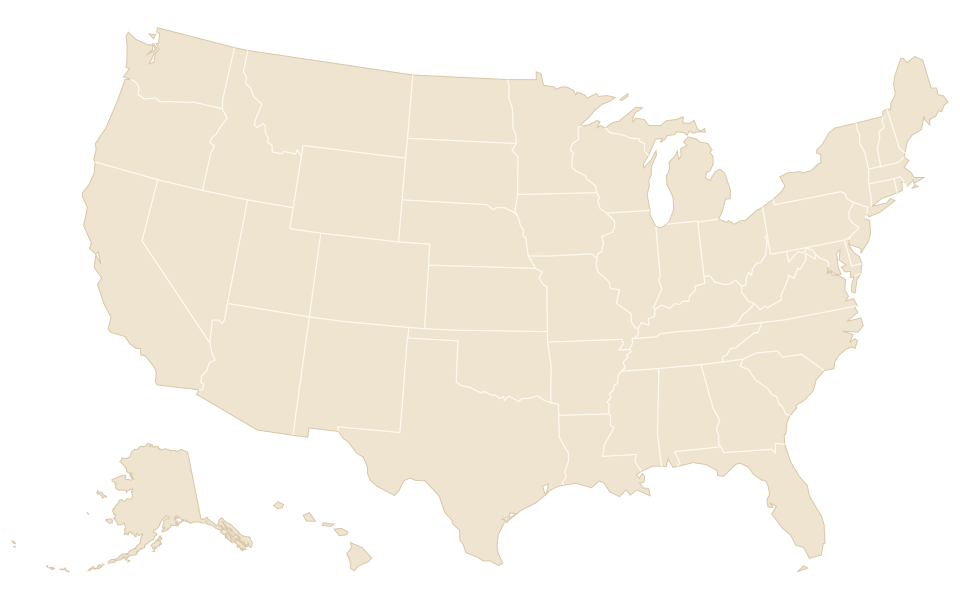
Yellowstone is the rare vacation where a seven-year-old and a grandparent are equally stunned at the same moment, usually when a geyser goes off or a bison strolls past the car window. It is also enormous, high, and full of boiling water, which means the planning matters more than at most parks. This guide covers when to go, where to sleep so you are not driving all day, what to do by age, and the rules that keep kids safe.
Details change every season. Road opening dates, construction delays, entrance fees, and lodging rules all shift year to year. Check NPS Yellowstone and its park roads page before you book and again the week you leave.
Is Yellowstone good for kids?
Honestly, yes, for nearly every age. The headline sights are mostly short walks on flat boardwalks, and the wildlife comes to you along the roads. Kids who are into volcanoes, animals, or anything that smells weird will be in heaven.
Who it is great for:
- Ages 5 to 12. Old enough to walk the boardwalks, tall enough to see over railings where there are railings, and young enough to cheer for every bison.
- Teens. Longer hikes, Junior Ranger work they can actually do on their own, and real wildlife photography with a zoom lens.
- Babies in carriers. They sleep, you see Old Faithful. A baby in a carrier is easier than a toddler on foot.
Who might wait a few years: families with a two-year-old who bolts and refuses the stroller. Many thermal boardwalks have no railings, and the water a few feet away can cause severe burns. It is doable, but you will spend the trip holding a wrist. The other challenge is drive time. Distances between areas are long, and the road speeds are slow, so kids who hate car seats will need a plan (see our road trip games for kids).
Best time to visit Yellowstone with kids
Yellowstone’s season is dictated by snow. Most park roads are open to regular cars from roughly mid to late April through the end of October, with some high passes opening later in May. The road from the North Entrance at Gardiner, Montana, through Tower Junction to the Northeast Entrance and Cooke City is the only one generally open to cars all year.
| Months | Weather | Crowds | What’s open | Good for families? |
|---|---|---|---|---|
| Nov–mid April | Deep snow, very cold | Low | North to Northeast road only for cars; interior by snowcoach or snowmobile, limited winter lodging | Adventurous families with older kids |
| Late April–May | Cold, snow possible, often muddy | Moderate | Roads open in stages, some services still opening | Baby animals; pack winter layers |
| June | Mild days, cold nights, rain or snow possible | Busy | Nearly everything | Great, especially after school lets out |
| July–August | Warmest and most reliable, afternoon thunderstorms | Busiest | Everything | Easiest, but book lodging early |
| September | Crisp, colder nights, early snow possible | Busy early, lighter later | Most things; some services wind down | Excellent if your kids can miss school or you have a fall break |
| October | Cold, snow likely by late month | Lower | Services closing; roads close to cars after October | Short, quiet trips with flexibility |
The sweet spot for families is late June through early September. Summer afternoon thunderstorms are common, so do your big walks in the morning. Even in July, mornings can be near freezing, so pack hats and fleece for everyone.
How many days do you need in Yellowstone?
The park is roughly the size of a small state, and much of it sits above 7,000 feet. Driving from Old Faithful to Lamar Valley can easily take most of a morning once you add bison jams. Budget more days than you think.
| Family type | Days | Rough plan |
|---|---|---|
| Babies and toddlers | 4–5 | Two bases, one big outing each morning, naps in the afternoon |
| Preschool and early elementary | 3–4 | Geysers one day, canyon plus wildlife another, Mammoth or Lamar on a third |
| Big kids and tweens | 4–5 | Add longer hikes like Fairy Falls or Mount Washburn, plus a dawn wildlife drive |
| Teens | 4–6 | Combine with Grand Teton National Park to the south |
| One-day pass-through | 1 | Pick one area only, usually Old Faithful and Grand Prismatic |
Where to stay in Yellowstone with kids
The single best planning move is to stay in two places. One base near the geysers, one near the canyon or northern wildlife areas. That turns three-hour round trips into 30-minute hops.
| Area | Best for | Pros | Cons |
|---|---|---|---|
| Old Faithful area (in park) | Geysers | Walk to Old Faithful and Upper Geyser Basin; the historic Old Faithful Inn is a kid favorite just to look at | Books up very early; limited food options |
| Canyon Village (in park) | Central location | Close to the Grand Canyon of the Yellowstone and Hayden Valley | Busy in summer; you still drive to geysers |
| West Yellowstone, MT | Budget, flexibility | Many motels, cabins, and rentals; close to geyser basins | Busy town; long drive to northern areas |
| Gardiner, MT | Wildlife, Mammoth | Near Mammoth Hot Springs and the road to Lamar Valley; year-round car access | Far from geysers |
| Cody, WY | Families driving from the east | More lodging choices, cowboy town feel | Long drive into the park over Sylvan Pass |
| Jackson, WY | Combining with Grand Teton | Lots of services | Expensive; long drive to the main Yellowstone sights |
| Campgrounds | Budget, outdoorsy families | Cheap, kids love it | Cold nights, bear-safe food storage rules; book early |
In-park lodging is basic and often lacks TVs, air conditioning, or strong cell service. Most kids don’t care. If you are camping, read our first family camping trip guide before you go.
Best things to do in Yellowstone with kids, by age
| Activity | Best ages | Time needed | Why kids love it |
|---|---|---|---|
| Old Faithful eruption | All ages | 1–2 hours with wait | Countdown energy, then a giant whoosh |
| Upper Geyser Basin boardwalks | 3+ | 1–3 hours | More geysers than you can count, colorful pools |
| Grand Prismatic Spring (Midway Geyser Basin) | All ages | 45–60 minutes | Rainbow-colored steam and a pool bigger than a football field |
| Grand Prismatic overlook via Fairy Falls trailhead | 4+ | 1–1.5 hours | The famous aerial view from a hillside |
| Grand Canyon of the Yellowstone viewpoints | All ages | 2–3 hours | Waterfalls and yellow cliffs that look painted |
| Hayden Valley or Lamar Valley wildlife drive | All ages | 2–4 hours | Bison herds, elk, maybe bears or wolves at a distance |
| Mammoth Hot Springs terraces | 3+ | 1–2 hours | Steaming white staircases like frozen waterfalls |
| Junior Ranger program | 4–14 | Spread over the trip | A badge, a goal, and a reason to read every sign |
| Mud Volcano area | 4+ | 30–45 minutes | Bubbling, burping mud and a rotten egg smell kids find hilarious |
Old Faithful and the Upper Geyser Basin
Old Faithful erupts many times a day, and rangers post predicted eruption windows at the visitor education center and in the NPS app. Check the prediction, then wander nearby boardwalks until 15 minutes before. With toddlers, grab a bench spot on the edge rather than the front row so you can leave mid-wait if needed.
The surrounding basin has dozens of geysers and hot springs on flat boardwalks and paved paths. A stroller works on much of it. Bring snacks for the wait, because “how much longer” begins about four minutes in.
Grand Prismatic Spring
The boardwalk at Midway Geyser Basin gets you right next to the steaming edge, but you mostly see steam. For the famous postcard view, park at the Fairy Falls trailhead and walk the trail to the overlook. The NPS lists the overlook trail at about 0.6 miles each way with a gentle 105-foot climb, which most kids 4 and up manage fine. Go early, since parking at both lots fills by midmorning in summer.
Wildlife watching
Hayden Valley, between Canyon and Lake, and Lamar Valley in the northeast are the classic spots. Dawn and dusk are best. Give each kid a job: one spotter with binoculars, one recorder keeping a tally, one snack captain. If you see a cluster of parked cars, pull fully off the road into a pullout and stay by your vehicle. A cheap pair of kids’ binoculars from home beats a gift shop pair every time.
Junior Ranger program
Pick up the Yellowstone Junior Ranger booklet at a visitor center (check nps.gov/yell for current details) and work on it in the car between stops. Finishing it gives you a built-in reason to talk with a ranger, which kids remember long after the trip.
A sample 4-day Yellowstone itinerary with kids
This assumes two nights near the geysers and two nights near Canyon or Gardiner, with naps and meals built in.
Day 1: Geysers.
- Morning: Old Faithful eruption, then the Upper Geyser Basin boardwalk loop.
- Lunch picnic, then nap or quiet time at your lodging.
- Late afternoon: Black Sand Basin or a second Old Faithful eruption (they are better with fewer people).
Day 2: Grand Prismatic and the drive north.
- Early start to the Fairy Falls trailhead and the Grand Prismatic overlook before lots fill.
- Midway Geyser Basin boardwalk.
- Picnic lunch, then drive toward Canyon with a stop at Norris Geyser Basin if moods allow. Car nap opportunity.
- Check in, early dinner, early bed.
Day 3: The canyon and Hayden Valley.
- Morning: Artist Point and the canyon viewpoints for Lower Falls.
- Lunch and rest.
- Late afternoon into evening: Hayden Valley wildlife drive and Mud Volcano.
Day 4: Mammoth or Lamar.
- Dawn wildlife drive in Lamar Valley if you have early risers, or a relaxed drive to Mammoth Hot Springs.
- Walk the Mammoth terraces.
- Exit through the North Entrance at Gardiner and grab a photo at the Roosevelt Arch.
Toddler version: cut each day to one main stop in the morning and one short stop after nap. You will see less and enjoy more.
Getting to Yellowstone and getting around
Yellowstone has five main entrances: North (Gardiner, MT), Northeast (Cooke City, MT), East (toward Cody, WY), South (from Grand Teton and Jackson, WY), and West (West Yellowstone, MT). Bozeman (BZN) and Jackson Hole (JAC) are the most common family airports, with Cody (COD) and Idaho Falls (IDA) as alternatives. Salt Lake City works if you want a cheaper flight and a longer road trip.
You need a car. There is no parkwide shuttle system, and attractions are spread out along the Grand Loop Road. A few tips:
- Rental car seats. Rental companies offer them, but supply and quality vary. Many parents bring their own; see our traveling with car seats guide.
- Strollers. Major boardwalks and paved paths around Old Faithful work for strollers. Some boardwalks have stairs, so a carrier is handy as a backup.
- Expect slow driving. Speed limits are low, and wildlife jams, construction, and chip-seal work can add real time. The park lists construction delays on its roads page.
- Gas and food. Fill up when you can. Gas stations exist at several park villages, but food options are spread out and lines are long at peak lunch hours.
Saving money in Yellowstone with kids
- Buy the right pass. The Yellowstone entrance fee is per vehicle and covers several days. If you will visit Grand Teton or other parks within a year, the America the Beautiful pass often pays for itself. Fourth graders can get a free Every Kid Outdoors pass. Non-US residents 16 and over pay an additional nonresident fee at Yellowstone; see the NPS fee page.
- Picnic every lunch. Stock a cooler in Bozeman, Jackson, or West Yellowstone. Park food is convenient but pricey and the lines eat nap time.
- Stay in a gateway town for part of the trip. Motels and rentals in West Yellowstone or Gardiner usually beat in-park prices, especially for larger families.
- Camp a night or two. Kids rank it as the highlight, and it costs a fraction of a room.
- Skip paid tours. The best wildlife viewing is from your own car with a $15 pair of binoculars. Ranger-led walks and talks are free.
Safety tips for Yellowstone with kids
Thermal areas. This is the big one. Stay on boardwalks and marked trails, hold hands, and don’t let kids run. Even runoff water can burn. Swimming or soaking in water that is entirely thermal is illegal. If anyone feels sick in a geyser basin, leave.
Wildlife. Stay at least 100 yards from bears, wolves, and cougars and at least 25 yards from bison, elk, and everything else. Teach kids the thumb trick: hold out your thumb at arm’s length, and if it doesn’t cover the animal, you are too close. Bison sometimes walk right onto boardwalks. Back away slowly and give them the path.
Bears and bear spray. If you hike beyond the main boardwalks, carry bear spray, know how to use it, and keep kids in the middle of the group, talking and singing. Never leave food in an open car or campsite.
Weather and altitude. It can snow in summer, and afternoon thunderstorms roll in fast. Pack rain jackets and warm layers daily. Much of the park is above 7,000 feet, so expect kids to tire faster and need more water.
Lost kids. Crowds at Old Faithful are dense around eruption time. Take a morning photo of each kid in their outfit and pick a meeting spot, like a specific bench or the visitor center door.
Cell service. Coverage is patchy. Download offline maps and the NPS app before you enter.
Use our packing list builder to make sure the warm layers and rain gear actually make it into the car.
Your next step: lock in lodging first
Yellowstone trips are built around where you sleep. Tonight, pick your two bases, check in-park lodging and campground availability, and book the first one you can get for your dates. Everything else, from the Junior Ranger booklet to the picnic plan, falls into place once that’s set. If you want to see the park alongside others, our national parks with kids guide covers passes and planning for the whole system.
Key takeaways
- Most Yellowstone roads are open to regular vehicles only from roughly mid to late April through October, and only the North to Northeast Entrance road stays open to cars all year.
- Split your stay between two areas, such as Old Faithful or West Yellowstone for geysers and Canyon or Gardiner for wildlife, to cut hours of backtracking in the car.
- Thermal areas are the biggest kid-specific hazard: keep children on boardwalks, hold hands, and never let them run.
- The park's rule is to stay at least 100 yards from bears and wolves and at least 25 yards from all other animals, including bison and elk.
- Yellowstone does not currently use a timed entry system, but in-park lodging and campgrounds book up months ahead for summer.
Frequently asked questions
Is Yellowstone good for toddlers?
Yes, with adjustments. Most famous geyser basins have flat boardwalks that work with a stroller or carrier, and toddlers love watching geysers erupt and spotting bison. The hard parts are long drive times and boardwalks with no railings near scalding water, so plan short outings, a midday nap in the car or lodging, and keep a hand on your toddler at all times.
How many days do you need in Yellowstone with kids?
Three full days covers the highlights, including Old Faithful, Grand Prismatic Spring, the Grand Canyon of the Yellowstone, and a wildlife drive. Four to five days lets families with young kids slow down and add Mammoth Hot Springs or Lamar Valley without marathon drives. The park is huge, so fewer than three days means a lot of time in the car.
What is the best month to visit Yellowstone with kids?
July and August have the most reliable weather and every road and facility open, but they are also the busiest months. Late June and early September are a great balance for families who can travel then, with fewer crowds and most services running. Snow is possible in any month at Yellowstone's elevation, so pack layers no matter when you go.
Do you need a reservation to enter Yellowstone?
Yellowstone has not required timed entry reservations to drive into the park. You do pay an entrance fee, and non-US residents ages 16 and older pay an additional nonresident fee at Yellowstone. In-park lodging and campgrounds do require reservations, and they fill early for summer, so check nps.gov/yell for current rules before you go.
How close can you get to bison in Yellowstone?
The park asks visitors to stay at least 25 yards from bison, elk, and all animals other than bears and wolves, and at least 100 yards from bears, wolves, and cougars. Bison are fast and unpredictable, and people get injured every year by getting too close. If an animal walks toward you on a boardwalk or trail, back away and give it room.
Can you visit Yellowstone in winter with kids?
Yes, but it is a very different trip. Most roads close to regular cars in winter, so families either drive the year-round road between the North and Northeast entrances for wildlife watching or book a guided snowcoach or snowmobile trip into the interior. Services are limited, so plan around the park's winter operating dates.
Official info and sources
We checked these when this guide was last updated. Rules, hours, and prices change, so confirm for your dates.
- National Park Service: Yellowstone nps.gov
- NPS Yellowstone: Park Roads nps.gov
- NPS Yellowstone: Safety nps.gov
- NPS Yellowstone: Operating Hours and Seasons nps.gov
- NPS: Entrance Fee Prices nps.gov